INSPECTING FIRE SERVICE LIFTS
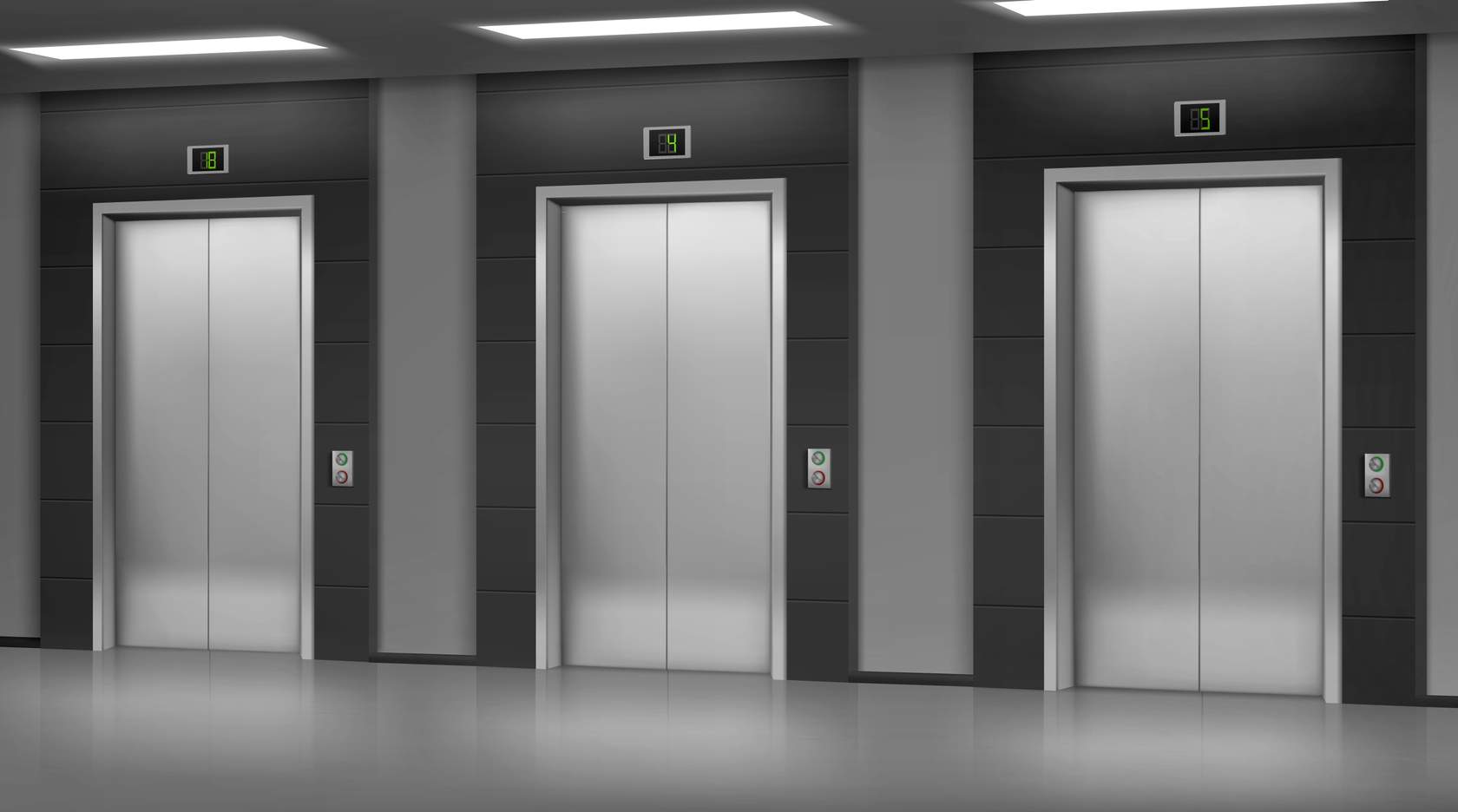
In this course you will learn how to carry out the monthly lift checks required under the Fire Safety (England) Regulations 2022 — confidently, consistently, and without needing specialist engineers. Government guidance makes it clear: “It is not the intention of these regulations to require responsible persons to engage specialists to undertake these checks.” You’ll be shown exactly how to perform these checks in‑house, why they matter, and how to evidence them properly.
You will learn about the real‑world incidents and failures that led to these requirements, the legislation and guidance behind Regulation 7, and the practical steps needed to keep lifts ready for use during a fire. You’ll develop the skills to perform and record checks, report faults, update Premises Information Boxes, and provide inspection information to residents with clarity and confidence.
Designed for non‑specialists, this course helps you spot issues early, improve compliance, and support safer buildings across your organisation.
COURSE CONTENT
- Why lift inspections are needed
Understand the incidents, failures, and risks that led to the introduction of monthly checks — and what can happen when lifts go wrong during a fire.
- What the legislation and guidance require
Learn the legal duties under the Fire Safety (England) Regulations 2022, why Regulation 7 was introduced, and how current codes of practice and LEIA industry standards shape today’s expectations.
- How to inspect different types of lifts
Gain confidence in checking lifts for fire service use, evacuation lifts, and lifts with recall, including the behaviours, controls, and indicators that show they are “ready for use”.
- How lifts behave in fire conditions
Build a clear understanding of recall, override functions, emergency communication systems, and the features that support safe evacuation and firefighter access.
- How to carry out functional checks step‑by‑step
Follow simple, practical guidance to complete monthly inspections consistently and safely, without needing specialist engineers.
- How to record inspections accurately
Use industry‑standard templates to document checks clearly and professionally, and ensure residents have access to the records to support compliance and audit readiness
- How to escalate and report faults correctly
Learn how to identify issues early, report them in line with Regulation 7, and ensure information is shared with the right people at the right time.
- How to update Premises Information Boxes
Keep PIBs accurate and compliant by adding up‑to‑date lift information and fault details.
- How to inform the fire and rescue authority
Inform the fire service if lift faults will last more than 24 hours
- How to strengthen organisational readiness
Improve your team’s fire safety competence, enhance resident trust, and support safer buildings through consistent, competent monthly checks.
READY TO GET STARTED?
Bring routine lift inspections in-house to boost your organisation’s visibility, strengthen resident trust, and demonstrate your commitment to competence under the Building Safety Act.
Enrol today as an individual or group leader and start making a measurable impact.
- Empower your team with our intuitive group management tools
- Track progress with smart dashboards that let you enrol multiple learners in seconds
- Brand your training by adding your organisation’s logo for a professional, trusted experience
- Build competence with confidence—perfect for housing and estate teams.
This training deepens your team’s understanding of legal lift safety requirements, helping them act with clarity and play a visible role in safer buildings and stronger resident engagement.