
Fire Safety (England) Regulations 2022: What You Need to Know
The Fire Safety (England) Regulations 2022 came into force on 23 January 2023, bringing in new legal duties for anyone responsible for multi-occupied residential buildings. These rules were shaped by lessons from the Grenfell Tower Inquiry and are designed to make buildings safer, clearer, and better prepared for emergencies.
Quick Overview of Your Responsibilities
Before we zoom in on monthly checks (Regulation 7), here’s a snapshot of what the regulations cover:
🔹 Regulation 4 – Premises Information Box Install and maintain a secure box with building plans and emergency contact details
🔹 Regulation 5 – External Wall Info: Share details of wall systems and materials with your local fire service
🔹 Regulation 6 – Floor and Building Plans Submit clear layout plans—both digital and physical—to the fire brigade
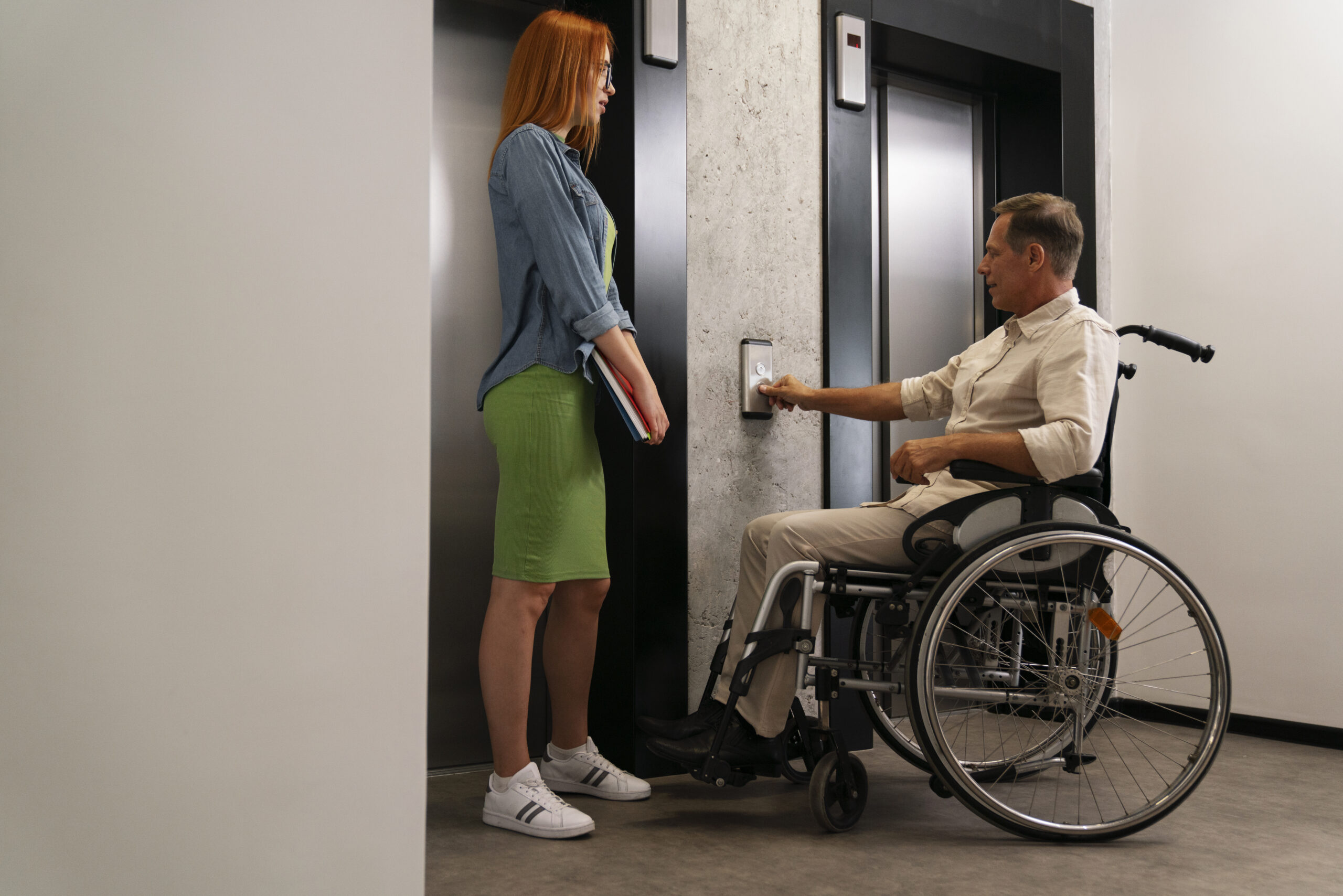
🔹 Regulation 7 – Lifts and Firefighting Equipment Monthly checks on firefighting lifts, override systems, and essential equipment.
🔹 Regulation 8 – Wayfinding Signage: Install clear signs that help firefighters navigate in low light
🔹 Regulation 9 – Resident Fire Safety Information Give residents clear instructions on what to do in a fire
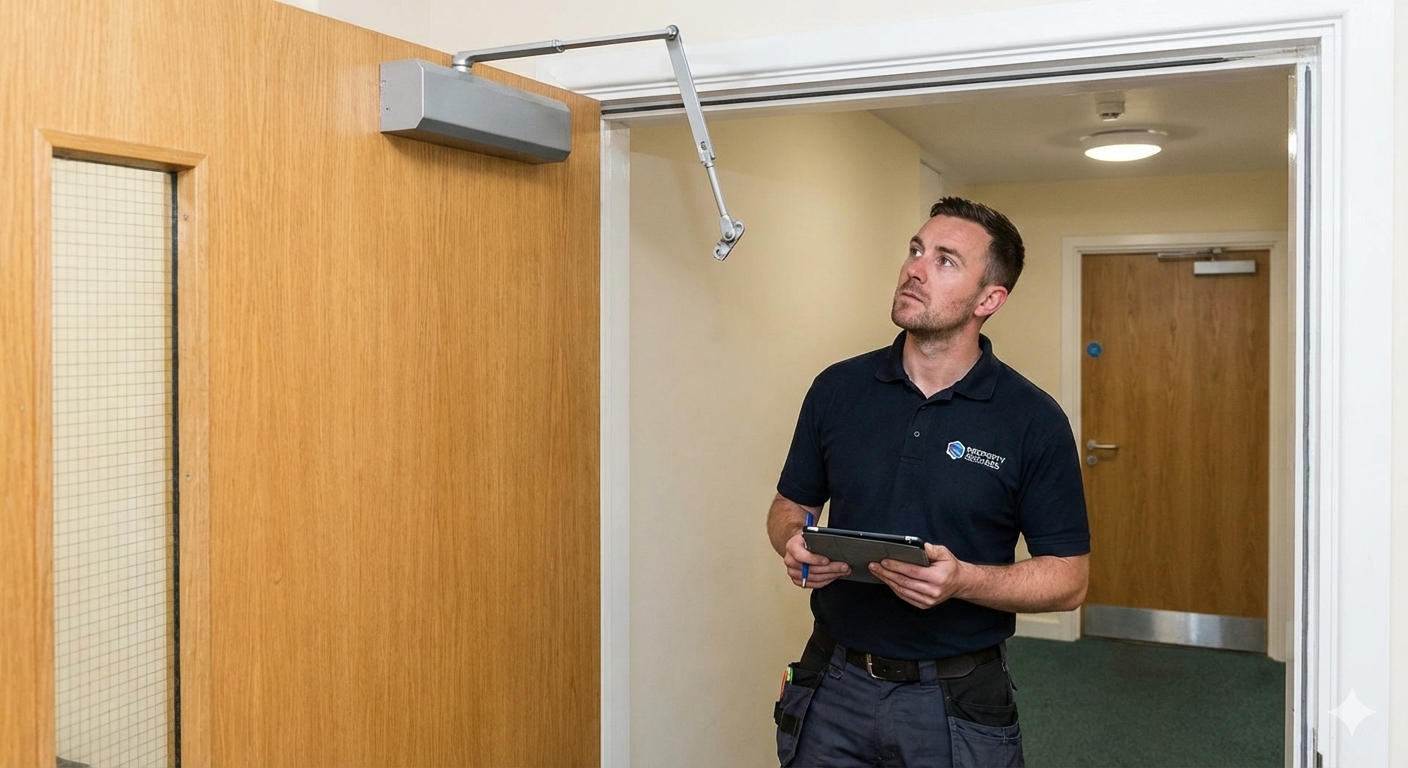
🔹 Regulation 10 – Fire Door Checks Inspect communal fire doors every 3 months and flat entrance doors yearly
🔗 Fire Safety (England) Regulations 2022 – GOV.UK
🔗 Full legislation text – Legislation.gov.uk
Why Regulation 7 Matters
Grenfell showed us what happens when firefighting lifts and equipment aren’t maintained. Regulation 7 is a direct response, making monthly checks a legal requirement for buildings over 18m or with 7+ storeys. You’ll need to:
- Check lifts and essential firefighting systems monthly (sprinklers, smoke control, fire alarm systems)
- Fix faults quickly
- Report any issues lasting over 24 hours to your local fire service
- Share inspection records with residents
Do You Need a Specialist?
Good news: most checks are simple. Government guidance says they don’t need to be done by external contractors. Visual inspections and basic functional tests can be carried out by trained in-house staff—like caretakers, housing officers, or building managers.
These checks are vital for ensuring building safety and readiness during emergencies.
Training Makes the Difference
To stay compliant and confident:
- Train staff to spot and report faults in lifts, fire doors, and firefighting systems
- Make sure everyone understands the importance of these checks
- Align training with The Fire Safety (England) Regulations and The Building Safety Act
This helps build competence up to PAS 8673, reduces reliance on contractors, and keeps your team ready to act.
Practical Steps You Can Take
- Create a monthly checklist for all relevant equipment
- Train staff to carry out visual and functional checks
- Log findings clearly and make them accessible to residents
- Report faults promptly to contractors and to the fire service if they last more than 24 hours
- Keep residents informed—it builds trust and transparency
Final Thoughts
Fire safety isn’t just about ticking boxes it’s about protecting lives. By embedding routine checks, staff training, and clear reporting into your building strategy, you’ll meet Regulation 7 requirements and help create a safer, homes and places for your residents to live.
Offering training that aligns with the Fire Safety (England) Regulations, PAS 8673, and the Building Safety Act shows your commitment to fire safety competence, responsible residential fire safety management and improves resident engagement for organisations.