Fire Safety Is Everyone’s Business
As the Building Safety Act and the Grenfell Tower Inquiry Phase 2 continue to reshape the landscape of managing residential buildings, one crucial element remains under-emphasised: fire safety training.
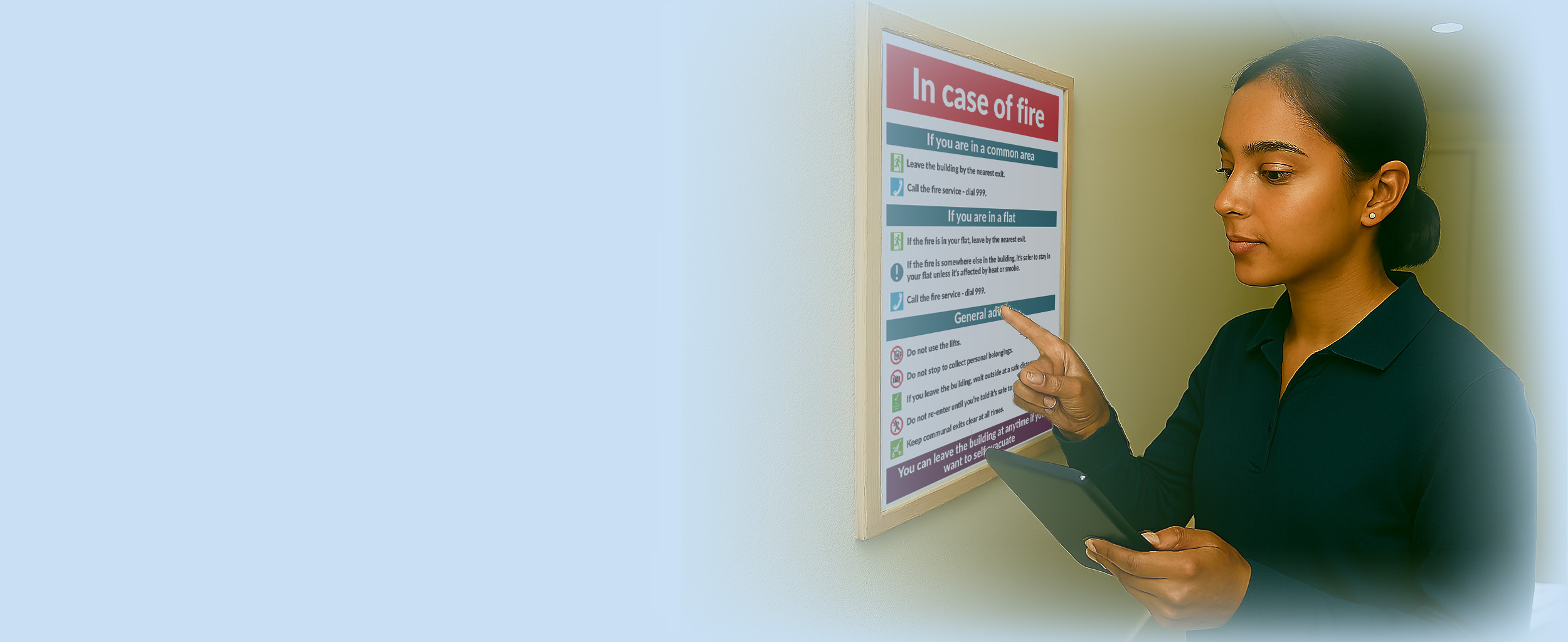
Fire safety isn’t just for specialists—it’s for everyone working in residential buildings. Whether you’re a caretaker, housing officer or contractor, knowing how to spot risks and respond quickly is essential. That’s the heart of fire safety training.
Fire Safety Competence Starts with Awareness
Under the Fire Safety Order 2005, building owners must appoint competent people to help prevent and protect against fire. But competence is about awareness. If you work in a building, you should know what a fire risk looks like and how to report it. Crucially organisations should be able to evidance fire safety competence accross teams.
Residential Fire Safety: What the Law Says
The Building Safety Act 2022 sets a clear standard for residential fire safety. They define competence as having the right skills, knowledge and behaviour to keep buildings safe. That includes general awareness for anyone representing the company whether it’s visits, monthly checks, spotting faults or understanding how fire safety systems work.
In-House Teams Make a Big Difference
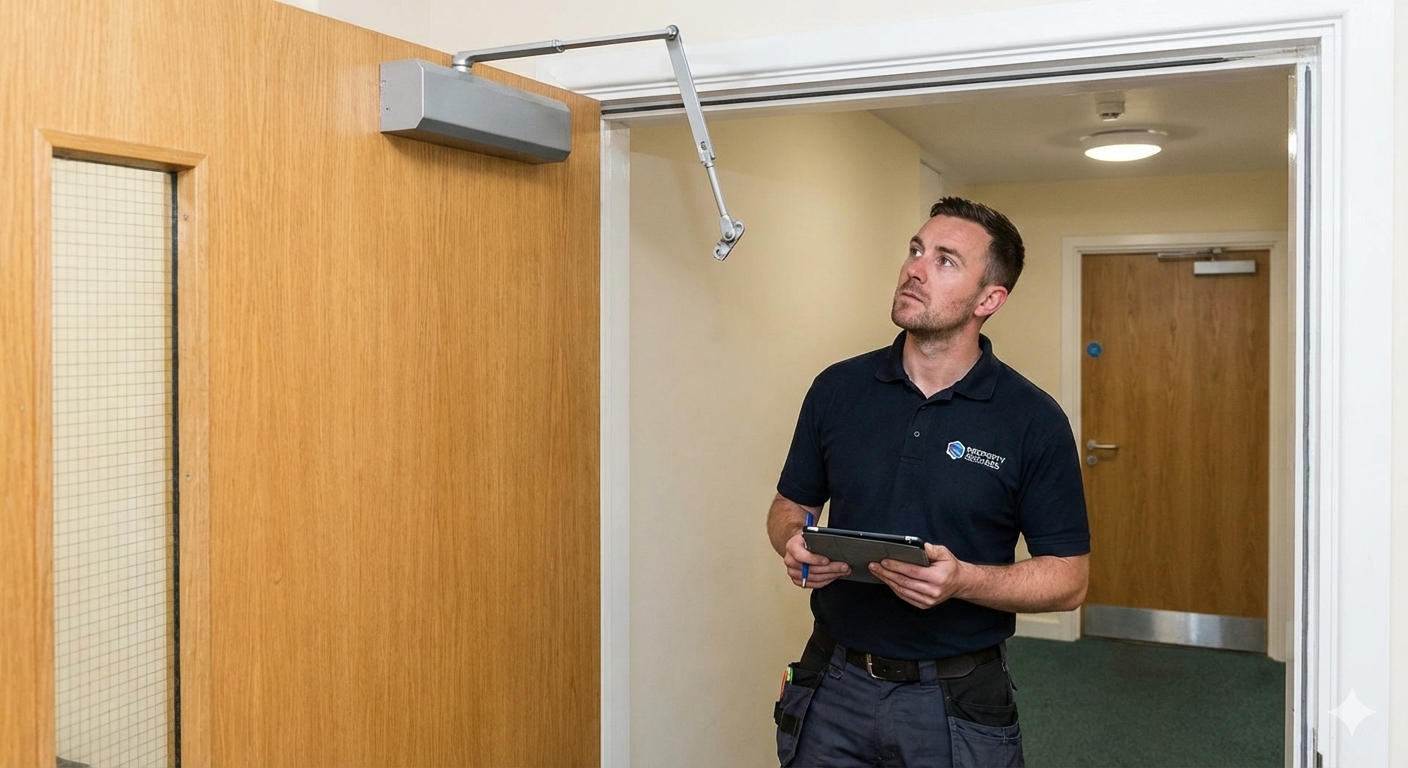
You don’t need to outsource everything. With the right fire safety training, internal teams can carry out visual checks, report issues promptly, and help keep residents safe. This approach is cost-effective, practical, and—most importantly—creates a stronger safety culture. When residents see staff actively engaged in safety routines, it builds trust and reinforces the organisation’s commitment to their wellbeing.
Lessons from Grenfell: Why It Matters
Government and industry guidance confirms that monthly inspections required under The Fire Safety (England) Regulations do not need to be carried out by specialists or contractors.
The Bottom Line: Build Fire Safety Into Your Culture
To meet the demands of the Building Safety Act, the Fire Safety (England) Regulations, and PAS 8673, organisations must build competence across all roles. This includes:
- Training staff to spot and report hazards.
- Meeting PAS 8673 standards
- Understanding of fire safety equipment and its purpose
- Recording and reporting faults
When fire safety becomes part of your everyday culture, buildings get safer—and teams get stronger.