
Shared Responsibilities
In modern residential fire safety, no single individual can realistically hold all the duties required by law. The roles of the Responsible Person under the Fire Safety Order and the Accountable Person under the Building Safety Act are often misunderstood as belonging to one person — but in practice, they require co‑ordination across teams, departments and organisations. Whether you are a housing provider, managing agent, landlord, or building owner, compliance depends on collective competence, not isolated responsibility.
Understanding the Two Key Roles
Responsible Person (Fire Safety Order 2005)
The Responsible Person is legally accountable for fire safety in:
- Non-domestic premises
- Common areas of residential buildings
- Day-to-day fire risk management and fire safety measures
Accountable Person (Building Safety Act 2022)
The Accountable Person is responsible for:
- Fire and structural safety in higher-risk residential buildings (HRBs)
- Resident engagement
- Process management and record keeping in The Building Safety Case
- Day‑to‑day fire risk management and fire safety measures
Where there is more than one Accountable Person
Many buildings have multiple APs — for example, different freeholders, managing agents, or organisations responsible for different parts of the structure. In these cases, the law requires the appointment of a Principal Accountable Person (PAP).
The PAP is responsible for:
- Co-ordinating all other Accountable Persons
- Leads on Building Safety compliance
- Ensures consistent safety management across the whole building
- Takes responsibility for key duties, including building registration, the Safety Case Report
- Mandatory occurrence reporting
Why These Roles Cannot Sit With One Individual
Modern residential buildings involve:
- Housing teams
- Repairs and maintenance departments
- Compliance officers
- Building safety managers
- External contractors
- Managing agents
- Resident-facing staff
Each group holds part of the legal duties. No single person can deliver compliance alone. Effective fire safety management requires coordinated action across the entire organisation.
The Importance of Fire Safety Awareness Training Across the Organisation
Because responsibilities are shared, fire safety training for all staff is essential. Compliance improves dramatically when everyone understands:
- The legal requirements of the Fire Safety Order and Building Safety Act
- How their actions demonstrate accountability as a Responsible Person
- How information flows into regulated building work, safety case reports and resident engagement
- Why their role matters within the wider safety system
This organisation wide awareness motivates teams by showing how their day‑to‑day decisions contribute to the bigger picture of resident safety and regulatory compliance.
Benefits of integrating fire safety training
- Prevents duplication and conflicting actions between teams
- Ensures compliance with the Fire Safety Order, Building Safety Act and Fire Safety (England) Regulations
- Builds a shared safety culture across departments
- Strengthens organisational understanding of regulated building work and evidence‑based fire safety
- Improves communication between fire safety, repairs, housing and building safety teams
- Supports accurate Residential Evacuation Plans and safety case information
- Strengthens audit readiness for regulators and fire services
Recommended Training Priorities
Organisation-Wide Awareness Training
Training that gives all staff a clear understanding of legal duties, safety expectations and how their actions contribute to compliance.
Scenario-Based Learning
Real‑world examples help teams understand how responsibilities overlap and how poor communication can create risk.
Cross-Department Workshops
Fire safety, structural safety, housing, repairs and compliance teams should train together to align processes and expectations.
Legislative Updates
Regular refreshers on:
General residential fire safety awareness fire prevention and protection
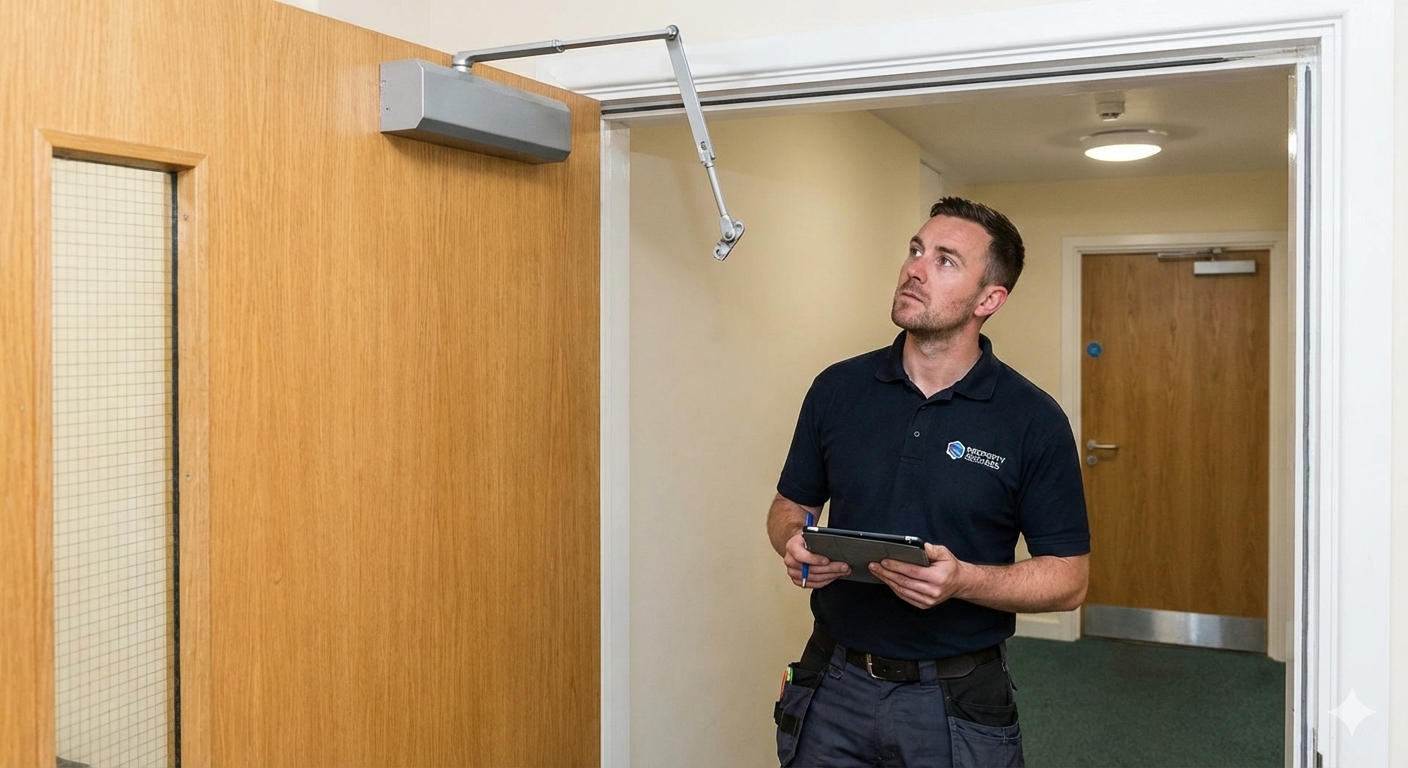
Fire safety equipment inspections and awareness
Fire door awareness
Residential evacuation plans
Conclusion
The Responsible Person, Accountable Person and Principal Accountable Person roles are not isolated positions — they are shared organisational functions that rely on collaboration, communication and competence. By investing in comprehensive fire safety awareness training for all staff, organisations can ensure compliance, strengthen resident safety, and build a unified approach to managing fire risks and assurance for the whole organisation.