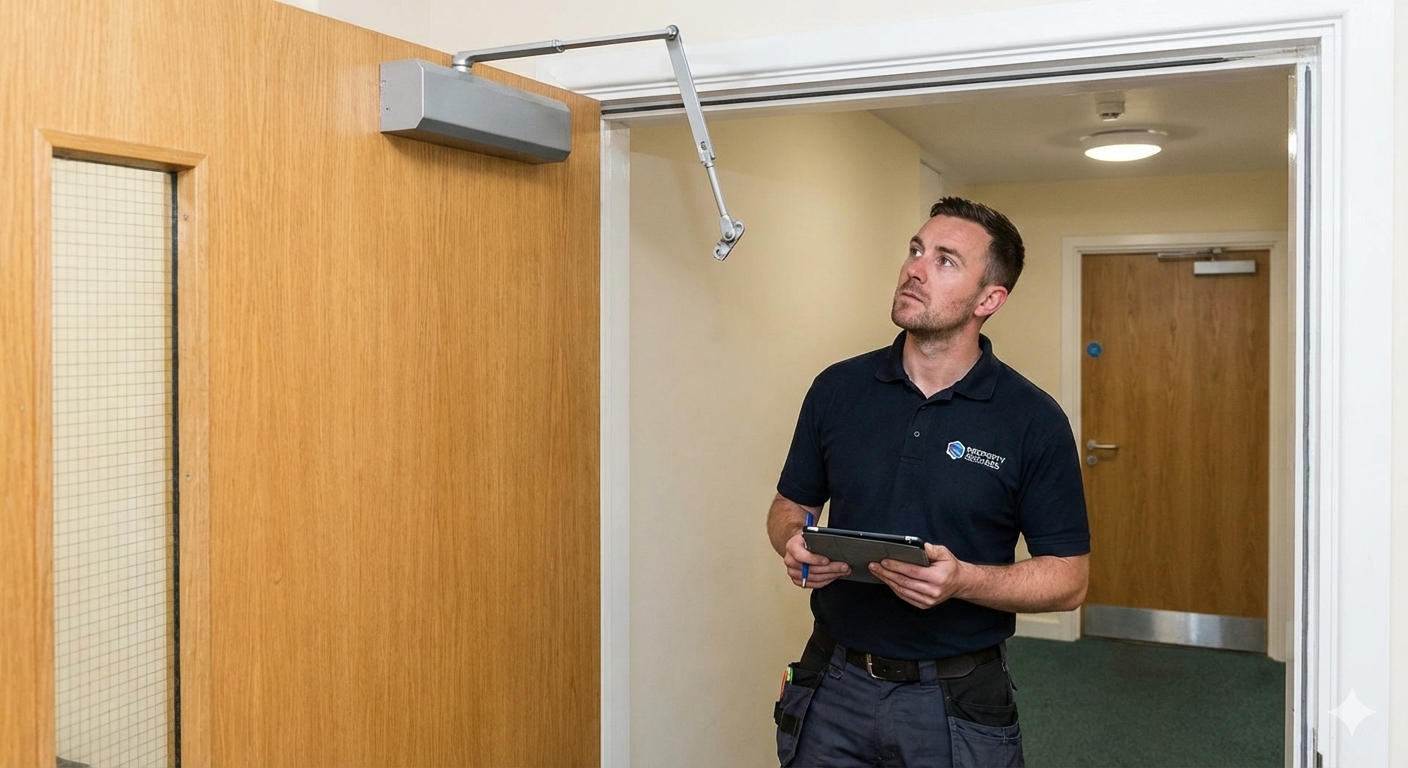
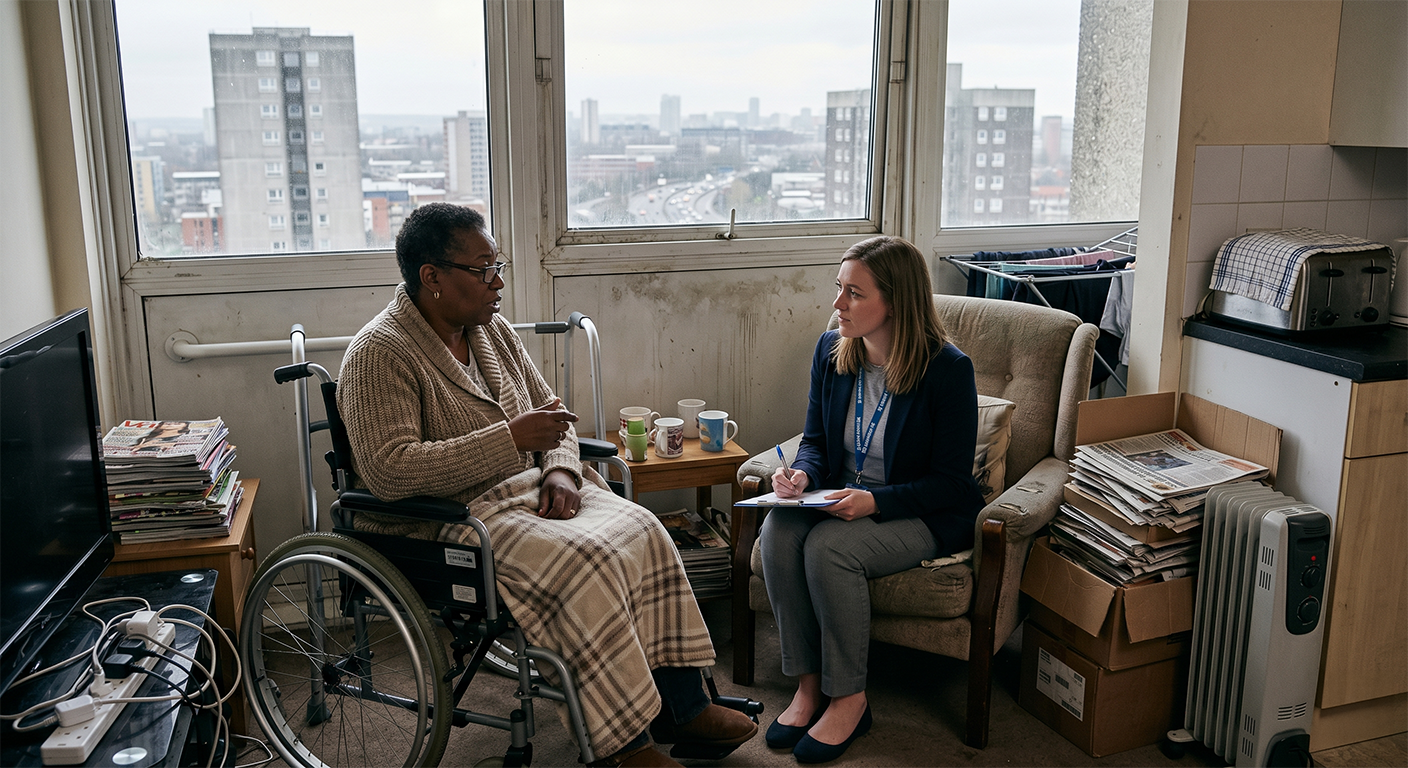

The Fire Safety (Residential Evacuation Plans) (England) Regulations 2025 mark a major advancement in protecting residents in higher-risk residential buildings. These regulations require building owners and managers to identify “relevant residents” who may have difficulty evacuating on their own. Once identified, the responsible person must conduct Person-Centred Fire Risk Assessments (PCFRAs) and prepare Personal Emergency Evacuation Plans (PEEPs) for those who may struggle to self-evacuate during a fire. There are also minimum legal requirements on the information that must be shared with the local fire and rescue authorities.
Understanding the Legislative Requirements
The regulations create specific requirements for identifying and protecting vulnerable residents in domestic properties over 18m tall or 11m with simultaneous evacuation. The legislation outlines the pathway the responsible persons must follow. First, there is a duty to identify relevant residents who require assistance; this involves proactively asking residents if they would need help evacuating and identifying those with physical or cognitive impairments. Once a resident is identified, the responsible person must undertake a Person-Centred Fire Risk Assessment (PCFRA). This assessment looks at the specific risks associated with that resident’s compromised ability to evacuate their flat during a fire. It is also recommendable to assess general fire risks at this time too. Where risks and vulnerabilities are identified during a PCFRA, reasonable mitigation measures should be suggested and agreed.
Following the PCFRA assessment and mitigation, the legislation requires the creation of a Residential Personal Emergency Evacuation Plan (RPEEP) which are referred to as an ‘Emergency Evacuation Statement’ in the legislation. This must detail exactly how the resident will evacuate or be assisted during an emergency. Finally, there is a critical requirement to make this information accessible to the Fire and Rescue Service. These plans must be stored securely in the building’s information box and shared electronically where available, ensuring that emergency responders have immediate access to vital information about who needs help and where they are located. Throughout this entire process, the legislation emphasizes that all interactions must maintain the dignity and respect of the resident.
A Comprehensive Approach: From Awareness to Action
Effective compliance begins with a general level of awareness across the organisation. Everyone involved in resident‑facing work should have enough foundational knowledge to recognise when a resident may need additional support, as this early identification is the first step in the safety pathway.
Training should explain who “relevant residents” are under the legislation and outline the types of assistance that may be appropriate. This helps more people recognise early indicators of mobility or cognitive impairments that may require further assessment.
Once a potential need is identified, training should set out the technical and interpersonal requirements of the full legislative process. It should introduce the purpose of a Person‑Centred Fire Risk Assessment, the types of reasonable mitigation measures that can be agreed to reduce identified risks, and how these feed into the development of a bespoke Evacuation Statement (RPEEP).
Finally, training should cover the essential information‑sharing requirements to ensure that local fire and rescue services have access to accurate, up‑to‑date data that supports safe and effective emergency response.
The Strategic Advantage of In-House Teams
Training internal teams to navigate these steps offers distinct advantages, in-house staff are best positioned to identify individuals who may require a plan through their daily interactions with residents. The familiarity they have with residents ensures the trust necessary for sensitive conversations regarding health or mobility, making residents much more likely to disclose a medical condition or a difficulty with stairs to a familiar face. Furthermore, staff who visit the organisations buildings regularly possess an intimate knowledge of the layout and are more likely to notice changes in a resident’s condition, such as deteriorating mobility, which ensures that safety measures remain current. Utilising internal teams also provides a more effective route to compliance, allowing for regular reviews and updates with an understanding and collaboration across the organisation the risk something is missed is minimised. RPEEPs and PCFRAs are not one-off tasks; residents’ needs evolve, and in-house staff are uniquely placed to review plans regularly and update evacuation statements promptly without waiting for scheduled visits or proactive information from vulnerable residents.
Prioritising Respect and Resident Engagement
The effective application of the legislation relies on accurate identification of residents who may need support and on the quality of the assessments carried out. Training should therefore extend beyond an outline of legal duties and include the communication skills needed to approach the identification process with sensitivity and respect.
For those responsible for completing PCFRAs and RPEEPs, training should provide the technical knowledge required to carry out these tasks correctly. This includes understanding when and how to notify the fire and rescue service about higher‑risk individuals and how to update Premises Information Boxes (PIBs) in line with industry guidance so that emergency responders have immediate access to essential evacuation information. At the same time, wider teams should gain clarity on how early identification fits within the broader safety framework.
Well‑designed training should also reinforce that these interactions are intended as supportive measures that promote safety and inclusion. Throughout the process, resident dignity remains central, including the clear option for individuals to decline an assessment. Training should highlight the importance of formally recording these decisions to respect the resident’s wishes while maintaining a robust audit trail for organisational accountability.
Conclusion
By investing in the training of internal teams, organisations can build a sustainable, responsive safety culture where compliance is integrated into daily tasks. Ultimately, equipping in-house teams with the skills to manage resident identification, PCFRAs and PEEPs ensures that legal obligations are met with the necessary care, dignity, and efficiency that residents deserve.